Featured
Table of Contents
I first operated in media relations in 2013, back when my job involved lining up spokespeople for picture ops and approving press releases that pointed out business partners. A lot has actually changed given that then. Everything's more scattered than it used to be, the definition of "media" has expanded, and most groups have had to get much more intentional about where they position their bets.
It shapes brand name perception, develops trustworthiness, and opens doors that no amount of paid invest or perfectly enhanced copy can rather reproduce. Notably, media relations isn't about getting press reporters to compose a story your method. Rather, it's about offering what they require to compose for their audience. What follows isn't a manifesto or a list of hacks.
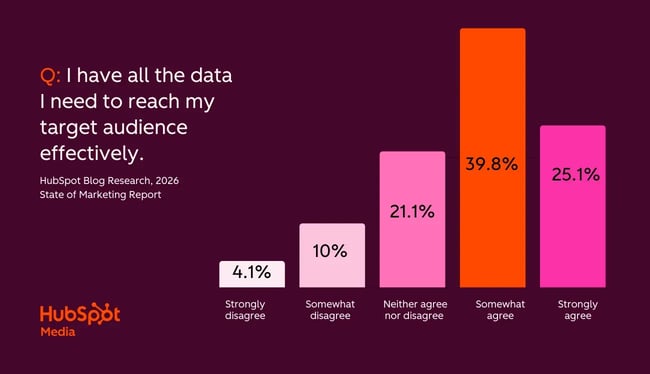
If you work in PR or media relations, whether in-house or agency-side, much of this will probably feel familiar. This is deliberate. Public relations, PR, is about handling how a brand name is comprehended and spoken about in time. Not simply what's stated in a heading or a single positioning, but the accumulation of messages and stories people experience across channels (like a company site, newsletters, social media, occasions, and more).
Protecting the Corporate Reputation With AI Tools
The very same essential messages reveal up on the site, in newsletters, on social media, at events, and periodically in the press. The repeating isn't laziness; it's how memory and trust are constructed. Consistency is rarely exciting, but it's doing more than it gets credit for. PR isn't about landing a single splashy hit.
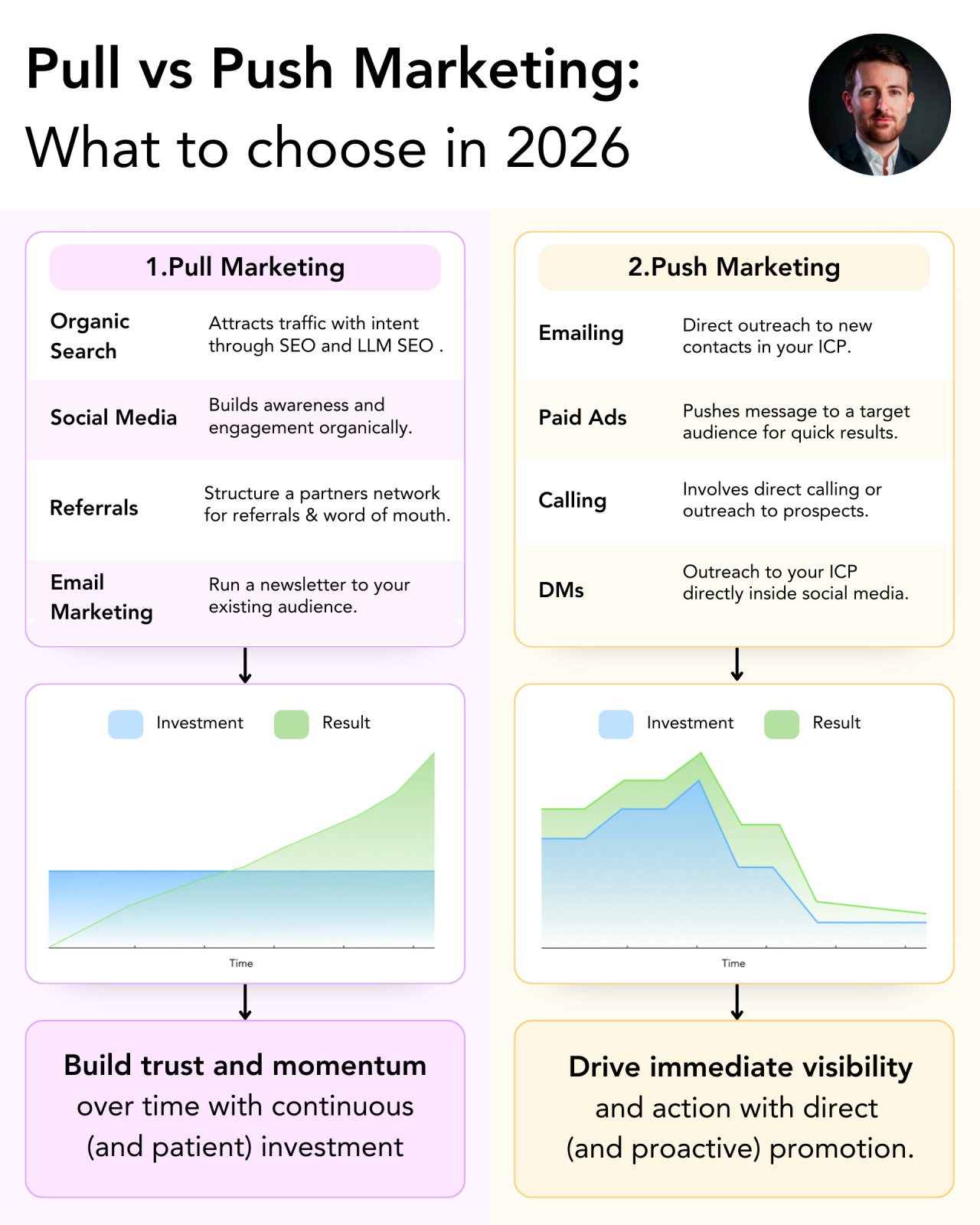
The objective is long-term, sustainable success. Media relations sits inside that broader PR system. It's one channel, an essential one, however still just one. Thought leadership, corporate interactions, awards, partnerships, occasions, they all serve the very same larger objective of shaping story and need. If PR is the story you're attempting to tell, media relations is just one of the ways you "turn up the volume." The mistake I see most frequently is dealing with media relations as the method itself rather than a technique within a broader content technique.
Not controlling the story, not getting your talking points copied verbatim, but providing something that genuinely serves their audience. That sounds apparent, however it's surprisingly simple to forget when internal momentum is high/ everybody wants to "get the word out." And yes, a surprising quantity of your career will be calmly describing this over and over again.
The Role of SEO in Securing TrustCollaborations, awards, and product launches feel significant internally. They boost spirits and signal development. Externally, on their own, they rarely increase to the level of a story. How risky are you happy to be? There's no right or wrong response, but your task is to discover a balance between what might stimulate attention and what's appropriate, and choose when to share it.
As a reminder, news is info about current events or developments that's prompt, pertinent, substantial, and of interest to the general public. When coverage does take place, it's normally due to the fact that the announcement connects to something larger, a market shift, a regulative modification, a behaviour pattern, a tension individuals already care about. Information assists.
Essential Tips for Better Media Coverage
A media package that makes a journalist's life much easier assists more than the majority of people recognize. Even then, strong pitches do not ensure coverage.
This is also where relationships get over-romanticized. A large media Rolodex doesn't compensate for a weak angle. It never really has. Being known assists, but I believe resonance matters more. Consider it, an outlet's mandate is to provide details that matters to its audience. A great editor won't run a story that's of no interest to anyone besides those at your business.
When the angle isn't there, I don't force it. I look to owned and shared channels rather. These channels are frequently where your audience types opinions, for better or even worse. (Your audience can be both your best advocates and biggest critics depending on how you interact with them, and owned and shared channels are great for distributing announcements.) There was a time when every announcement seemed to require a press release, mostly because that was the default circulation system.
The Role of SEO in Securing TrustModern PR Innovations for High Growth
A press release is a durable piece of messaging you control. Over time, this record ends up being a recommendation point for journalists, partners, experts, and even your own sales team.
However I often believe about announcements as potential foundation for a broader material system, customer stories, article, sales enablement, and internal positioning. Even when nobody selects it up, it's seldom lost work. What I'm saying is I believe news release are still important for reasons unassociated to the media.
Having said that, I'll continue to focus on earned media due to the fact that I believe it's still the most misconstrued. Most pitching recommendations on LinkedIn sounds fine in theory and falls apart under real conditions. A couple of patterns I've discovered to rely on anyhow: Know your industry Knowing your market isn't optional.
Optimizing Your Digital Strategy for 2026
Understanding your market also helps you identify which outlets, reporters, and influencers to target. Tip: Set up Google Notifies for industry-related keywords and the kinds of stories you wish to be the very first to learn about. Comprehend the media Each outlet has its own focus, audience, and design. Some are all about national breaking news, while others focus on analysis or feature long-form storytelling.
It reveals right away when somebody hasn't done their research. How can you craft efficient pitches if you don't understand what journalists are covering, what the hot subjects are, or where the conversations are heading?! Suggestion: A press release for a specific niche or trade publication can consist of more market lingo and acronyms than one for the mass market.
Construct relationships, not simply deals. Pointer: If you want to succeed with flattery, send kudos before you need something, in an e-mail with no asks.
If a nationwide story is dominating the media, hold off otherwise your message, email, or press release might be buried. You can piggyback off nationwide days, regulative or legislative modifications, or market events to give your business's profile a boost, but use discretion when it comes to a crisis you don't want to be perceived as an opportunist.

Latest Posts
Why Home Seo That Gets Results Need To Focus on Niche Syndication
How AEO Is Reshaping Modern Search
The ROI of Technical Accuracy for Charlotte Enterprise Sites